What Is a Tamalada? The Tradition Behind Christmas Tamales
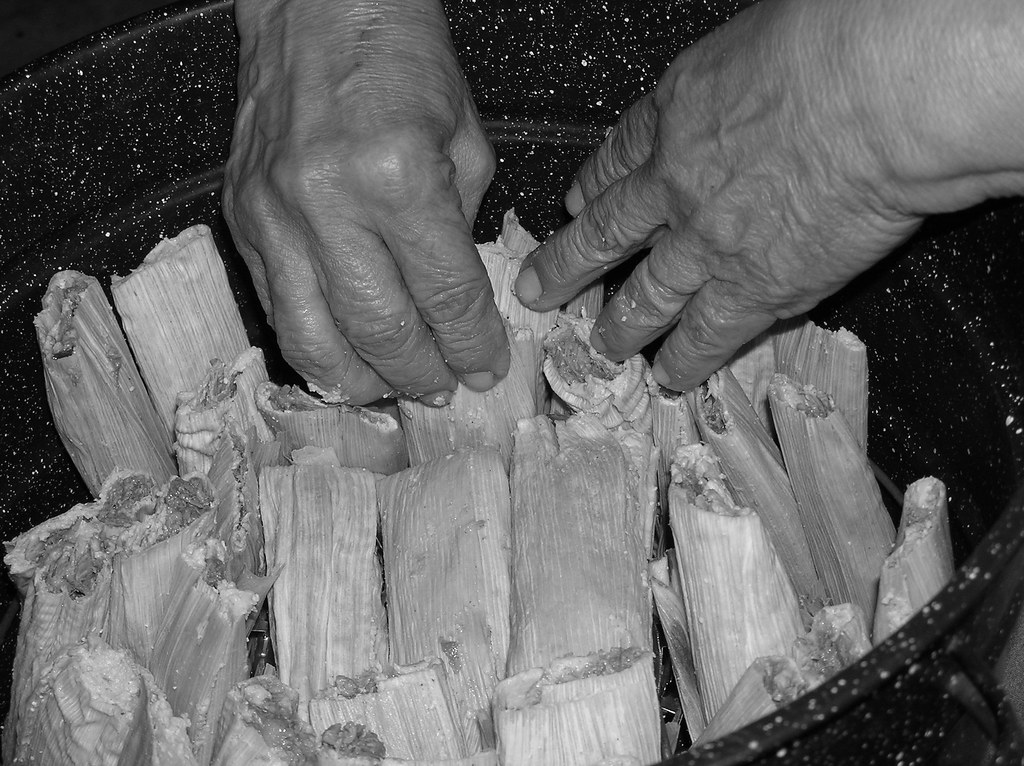
A tamalada is a tamale-making party - family and friends gathered assembly-line style to spread masa, add filling, fold, and wrap tamales together, usually in the run-up to Christmas. It turns one person's all-day job into an afternoon everyone shares, which is the whole point: nobody wants to fold 200 tamales alone.
We make ours the same way at home - a full pot of masa, someone's grandmother's ratio, and enough tamales that your hands ache by the end. If you'd rather show up for the eating part, that's the whole reason CasaMasa exists.
Where the tradition actually comes from
Tamales are one of the oldest prepared foods in the Americas - Mesoamerican cooks were wrapping corn dough thousands of years before Christmas existed as a holiday to attach them to. They were portable, they kept well, and they fed a lot of people from one pot, which is exactly why they became the food of choice for gatherings.
A tamalada isn't really about the tamales. It's the one day a year the whole family ends up in the same kitchen.
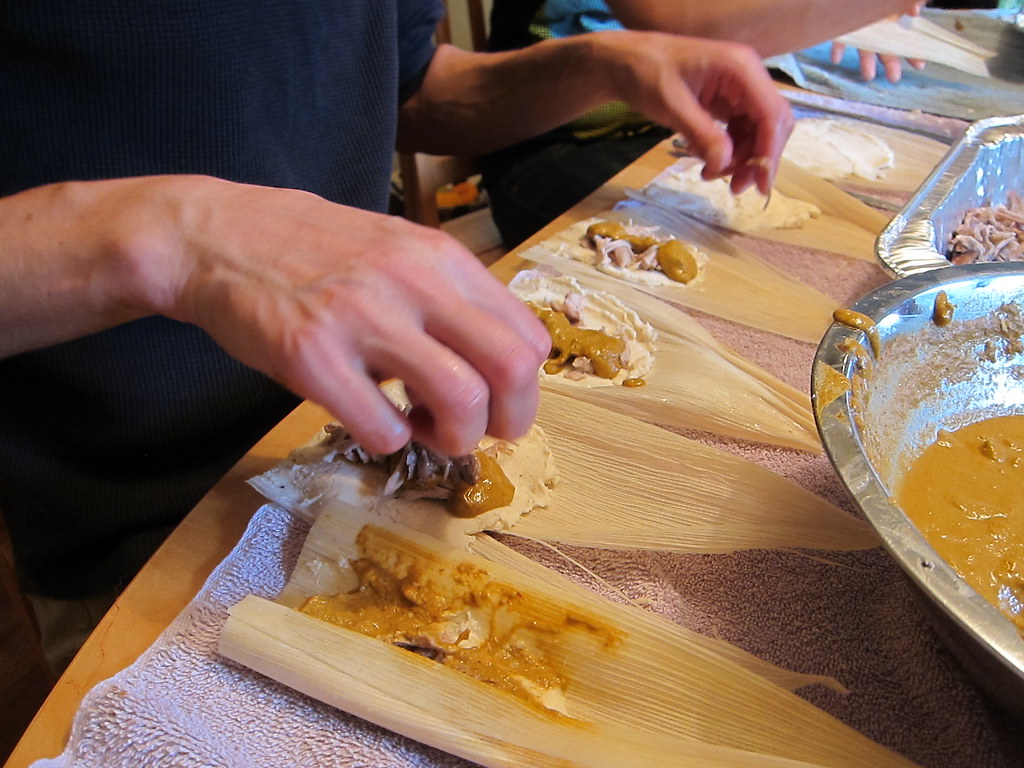
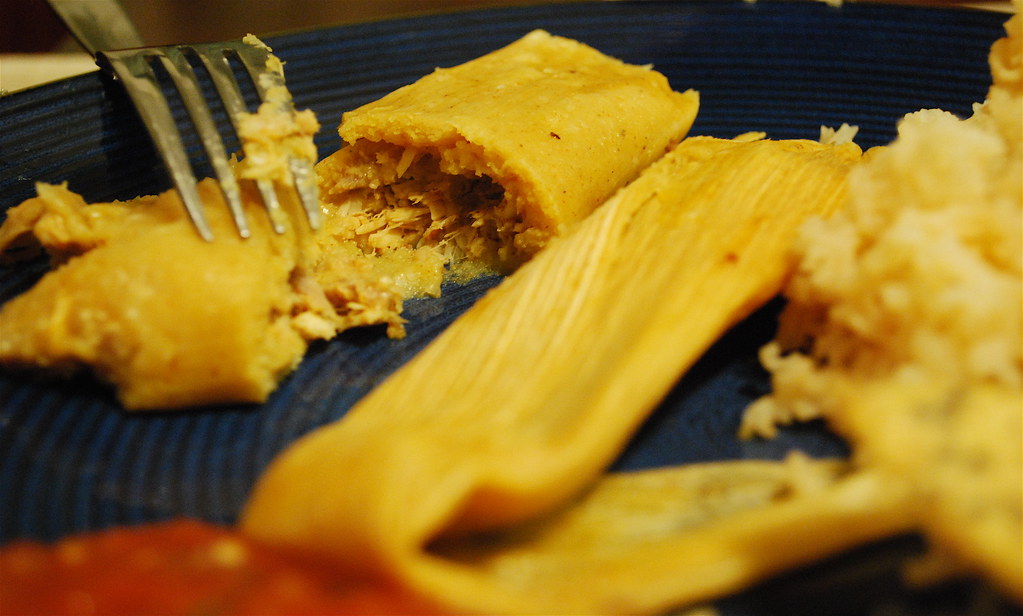
Every tamalada breaks down the same way: masa first, then filling, then the fold. However many hands you have, the order doesn't change.
How a tamalada actually runs
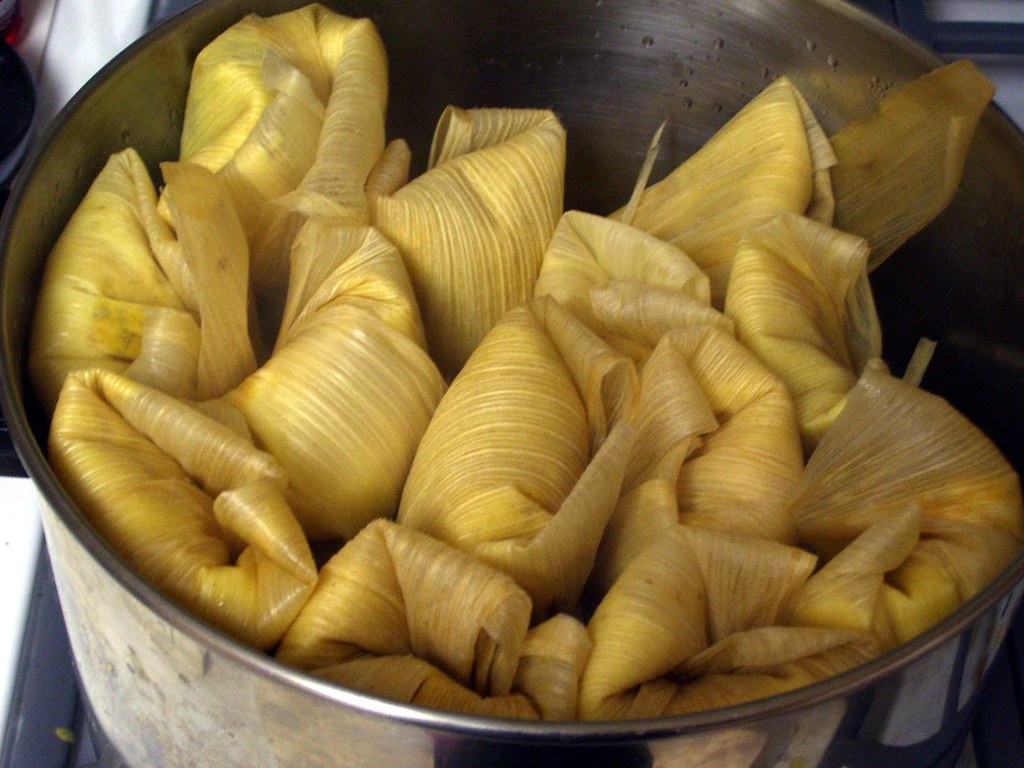
It runs like a small factory line, and everyone gets a station. Someone kneads and spreads the masa, someone stirs the filling, someone spoons it on and folds, someone stacks the finished ones upright in the pot for steaming. Nobody does the whole tamale start to finish - that's the actual trick that makes 15 dozen possible in an afternoon.
It's common enough that the USDA's Food Safety and Inspection Service publishes guidance specifically for tamaladas - keep raw meat separate from everything else, cook fillings to a safe internal temperature, and don't let filled tamales sit out at room temperature for more than two hours. Good advice whether you're hosting one or just reheating a dozen from the fridge.
Cook the filling too hot and rush the fold, and the masa knows. It always knows.
What it actually takes
A big batch is a full afternoon, not a quick errand - plan on it eating your Saturday the same way it's eaten everyone's Saturday for a few thousand years.
A tamalada time budget
Roughly what to budget per step, for a big batch:
Tamalada mistakes worth avoiding
Or skip straight to the eating part
There's no shame in loving the tradition and skipping the assembly line - plenty of people who grew up doing this the hard way still call in an order some years. If you're feeding a crowd for Christmas, order your holiday tamales ahead, or browse the full flavors and everyday menu for any other week of the year.